

Peptide Research in Neurological Disorders: Investigating the role of peptides being researched for conditions like Alzheimer’s and Parkinson’s

Introduction
Peptides are essentially mini proteins – short chains of amino acids that are much smaller than typical proteins. Yet despite their small size, peptides can have powerful effects in the body. Our cells naturally use dozens of peptides as messengers and regulators, from hormones to growth factors. In simple terms, a peptide is a tiny biological signal that can tell cells what to do. Because of this, scientists can design or harness peptides to influence cell behavior in very specific ways.
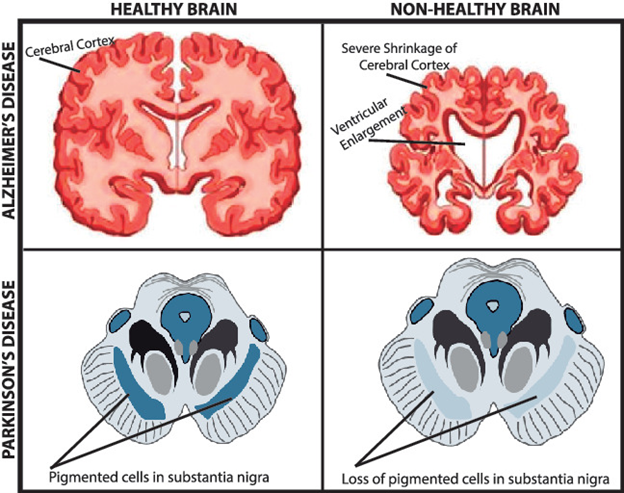
In neuroscience labs, peptides have become a hot topic. Why? Unlike conventional drugs, peptides can mimic the body’s own molecules and tap into innate healing pathways. They are being explored as precision tools to protect neurons, clear toxic proteins, and even cross the blood-brain barrier more easily than some larger therapies. For diseases like Alzheimer’s disease (AD) and Parkinson’s disease (PD), which involve complex brain changes, peptides offer a way to intervene that’s closer to the brain’s natural language.
The urgency is high. Alzheimer’s – the most common dementia – slowly robs memory and identity from over 30 million people worldwide, yet current medications only ease symptoms and do not stop the relentless brain degeneration. Parkinson’s – a movement disorder affecting over 8 million people – is managed mainly by replacing dopamine (a brain chemical that dwindles in PD) to control tremors and stiffness. But nothing on the market today halts the underlying death of brain cells in Parkinson’s or Alzheimer’s. In short, both AD and PD have huge unmet needs: we need treatments that can slow or prevent the disease process, not just mask the symptoms. This is where peptide research comes in – offering fresh hope that these tiny molecules might do what standard drugs so far cannot.