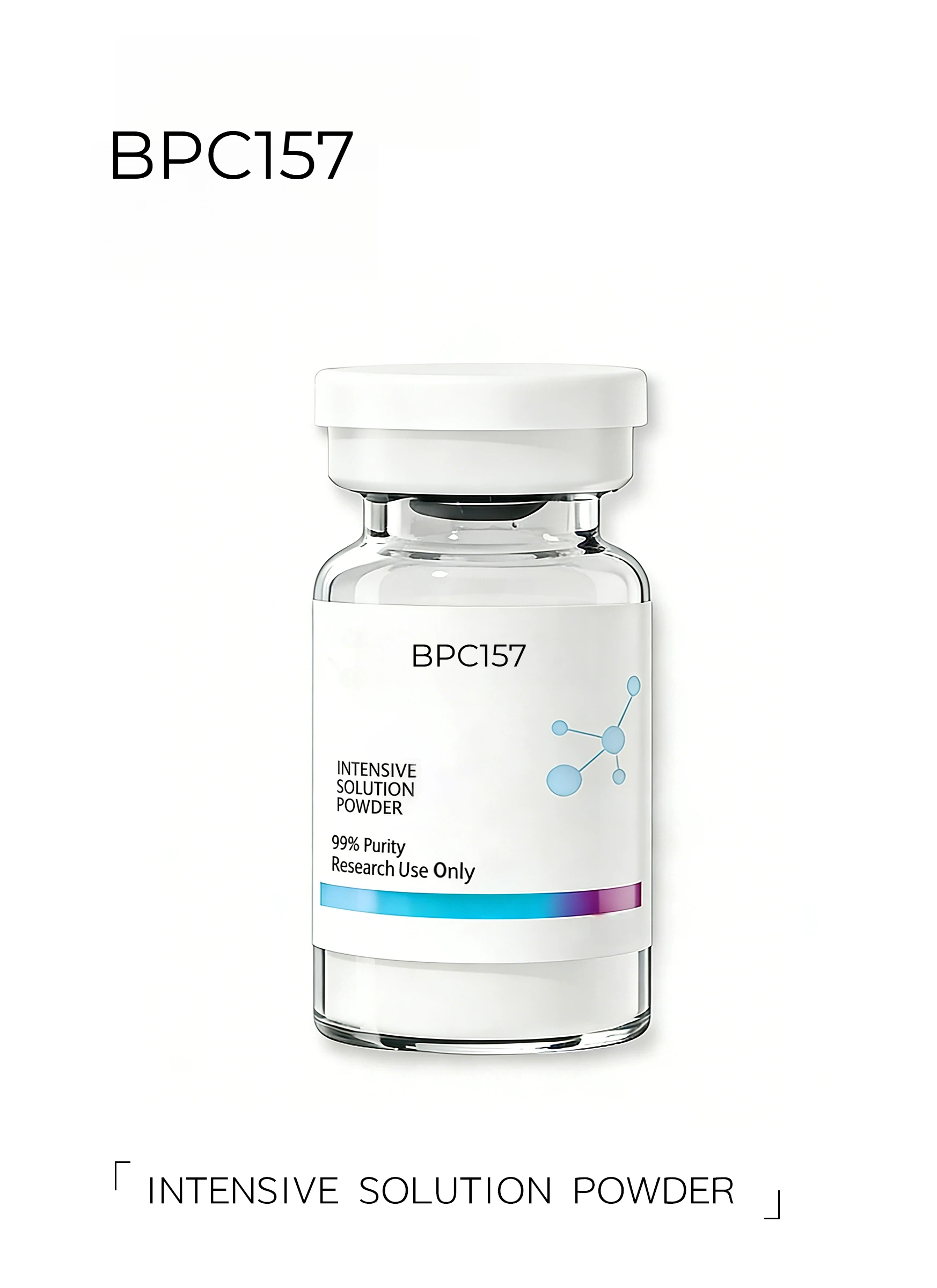
BPC-157 Peptide Powder 5mg x 10 Vials = 1 Box

BPC 157 is the 15-amino acide fragment of gastric peptide BPC. BPC 157 exhibits wound healing promoting and neuroprotective activity. BPC 157 maintains the integrity of the gastrointestinal mucosa without significant toxicity.

324.00vials

What Is BPC-157?

BPC 157 is the 15-amino acide fragment of gastric peptide BPC. BPC 157 exhibits wound healing promoting and neuroprotective activity. BPC 157 maintains the integrity of the gastrointestinal mucosa without significant toxicity. BPC 157 acetate counteracts NSAIDs/insulin overdose/copper-induced toxicity. BPC 157 ameliorates specific (over)stimulated/damaged neurotransmitter systems-induced behavioral disorders through serotonergic and dopaminergic systems.

BPC-157 Mechanism of Action

BPC 157 is a natural gastric pentadecapeptide, non-toxic and possessing deep cytoprotective activity, and has been used in trials for ulcerative colitis and multiple sclerosis. In human gastric juice, BPC 157 is stable for over 24 hours, thus exhibiting good oral bioavailability and beneficial effects throughout the gastrointestinal tract. Stable BPC 157 is considered a mediator of Robert cell protection, maintaining the integrity of the gastrointestinal mucosa.

BPC-157 Research

BPC 157 successfully healed intestinal anastomoses, gastric skin, duodenal skin, and colonic skin fistulas in rats and interacted with the NO system [1]. BPC 157 (10 μg/kg, 10 ng/kg) was administered once daily via intraperitoneal administration (first administration immediately after surgery, last administration 24 hours before sacrifice) or via oral drinking water (0.16 μg/mL/12 ml/day until sacrifice). In a rat model suitable for multiple sclerosis toxicity, Cuprizone (a regimen several times higher than standard, 2.5% of the diet + 1 g/kg intragastric/day) was combined with BPC 157 (0.16 μg or 0.16 ng/mL in drinking water)/12 ml/day/rat + 10 μg or 10 ng/kg intragastric/day) until sacrifice on day 4. Generally, controls cannot cure cysteine ​​colitis and colon-colonic anastomosis. BPC 157 induced effective healing in both cases.
What Is BPC-157?

BPC 157 is the 15-amino acide fragment of gastric peptide BPC. BPC 157 exhibits wound healing promoting and neuroprotective activity. BPC 157 maintains the integrity of the gastrointestinal mucosa without significant toxicity. BPC 157 acetate counteracts NSAIDs/insulin overdose/copper-induced toxicity. BPC 157 ameliorates specific (over)stimulated/damaged neurotransmitter systems-induced behavioral disorders through serotonergic and dopaminergic systems.

BPC-157 Mechanism of Action

BPC 157 is a natural gastric pentadecapeptide, non-toxic and possessing deep cytoprotective activity, and has been used in trials for ulcerative colitis and multiple sclerosis. In human gastric juice, BPC 157 is stable for over 24 hours, thus exhibiting good oral bioavailability and beneficial effects throughout the gastrointestinal tract. Stable BPC 157 is considered a mediator of Robert cell protection, maintaining the integrity of the gastrointestinal mucosa.

BPC-157 Research

BPC 157 successfully healed intestinal anastomoses, gastric skin, duodenal skin, and colonic skin fistulas in rats and interacted with the NO system [1]. BPC 157 (10 μg/kg, 10 ng/kg) was administered once daily via intraperitoneal administration (first administration immediately after surgery, last administration 24 hours before sacrifice) or via oral drinking water (0.16 μg/mL/12 ml/day until sacrifice). In a rat model suitable for multiple sclerosis toxicity, Cuprizone (a regimen several times higher than standard, 2.5% of the diet + 1 g/kg intragastric/day) was combined with BPC 157 (0.16 μg or 0.16 ng/mL in drinking water)/12 ml/day/rat + 10 μg or 10 ng/kg intragastric/day) until sacrifice on day 4. Generally, controls cannot cure cysteine ​​colitis and colon-colonic anastomosis. BPC 157 induced effective healing in both cases.