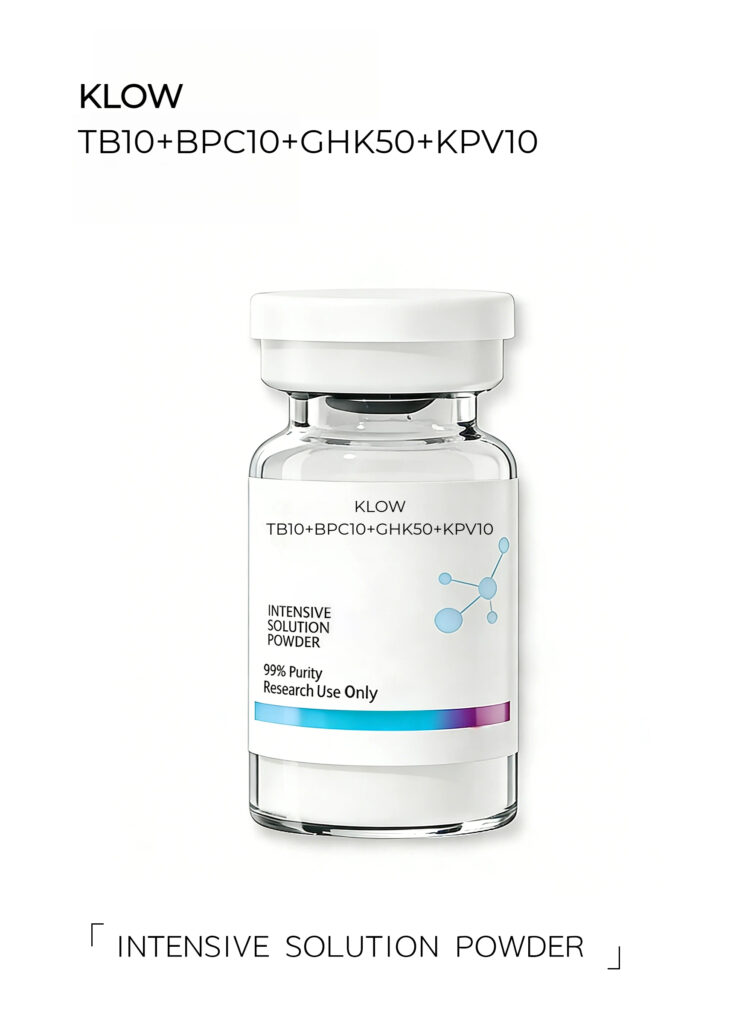
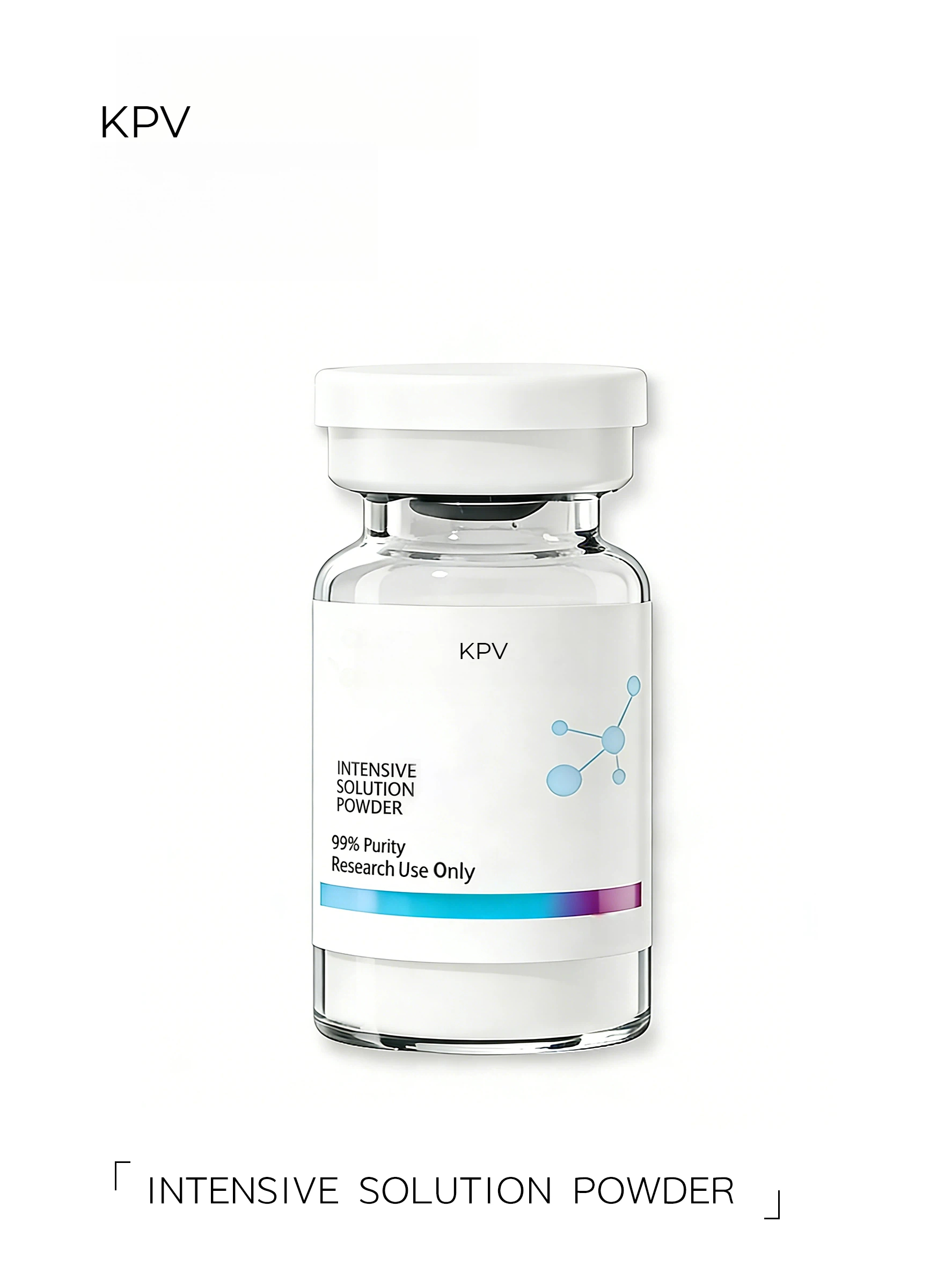
What Is KPV?
KPV is a peptide that is naturally produced in the body. It is present in the hormone α-MSH. This relatively new peptide is an α-melanocyte-stimulating hormone. Extensive clinical evidence suggests that KPV exerts its potent anti-inflammatory effects through various important mechanisms.
KPV Mechanism of Action
Treatment of Inflammatory Bowel Disease (IBD): This is one of the core research applications of KPV tripeptide. In research, it is often loaded into carriers such as hyaluronic acid-functionalized nanoparticles and chitosan/alginate hydrogels for targeted delivery, reducing inflammation in the colon and accelerating mucosal healing. In a mouse model of ulcerative colitis, KPV-containing formulations effectively reduced mucosal damage, demonstrating good therapeutic potential for this type of IBD.
Adjunctive Treatment of Skin-Related Conditions: On one hand, it can be used in research on inflammatory skin diseases such as eczema, psoriasis, and dermatitis, alleviating skin inflammation and reducing skin lesions through anti-inflammatory and immune-regulating mechanisms. On the other hand, it can aid wound healing; for example, in animal models of pressure ulcers and diabetic wounds, it can regulate immune responses, accelerate tissue repair, and promote the regeneration of skin epithelial cells. Furthermore, KPV-modified liposomes can be used for synergistic treatment of vitiligo, protecting melanocytes and assisting in promoting melanin synthesis.
Adjunctive therapy for infections: It has certain antibacterial properties and can be used as an adjunct treatment for infections in skin and mucous membranes in research on these areas. However, research in this area is still in its early stages and a mature application plan has not yet been developed.
KPV Research
Anti-inflammatory peptides for oral inflammatory diseases: regulation of inflammatory response to reduce tissue destruction and structural loss