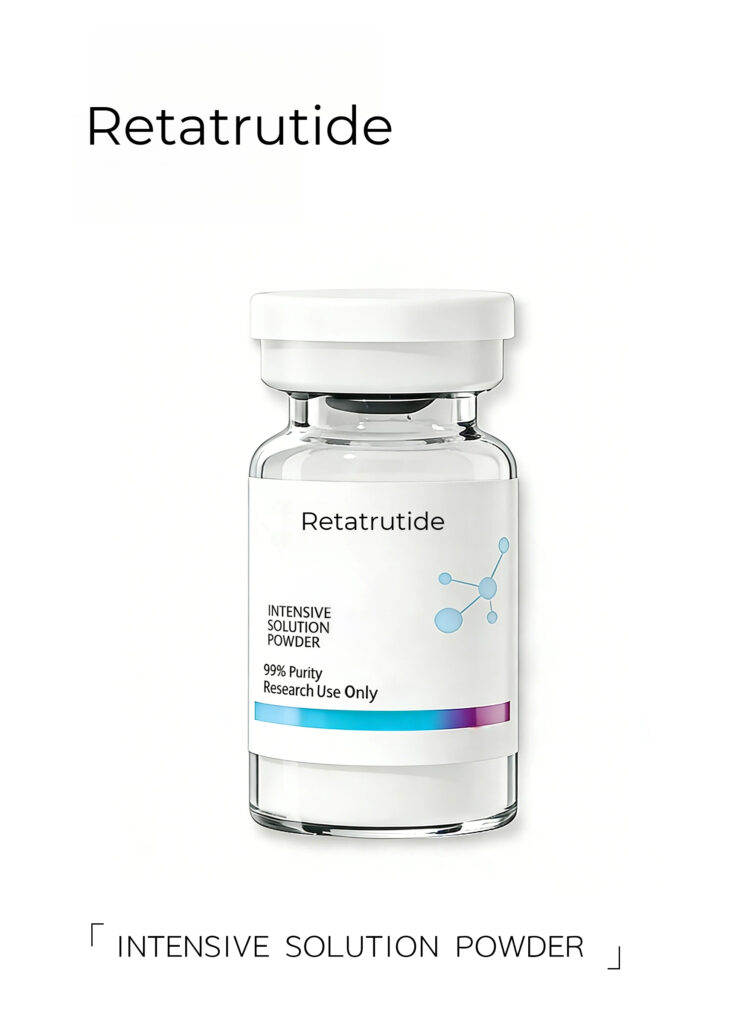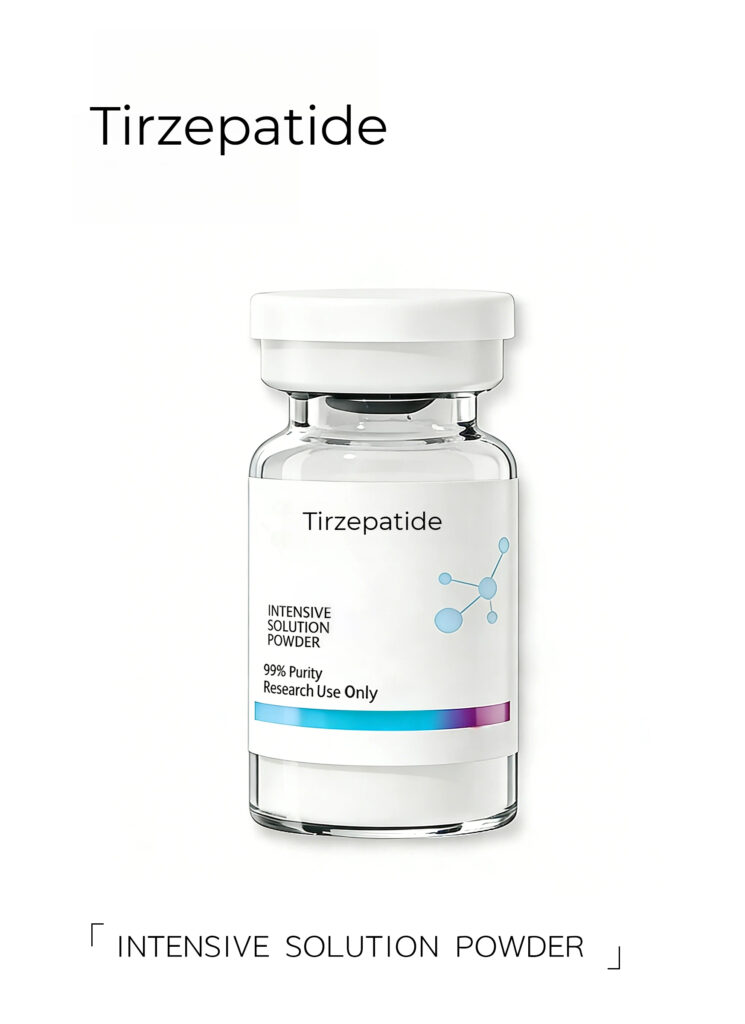
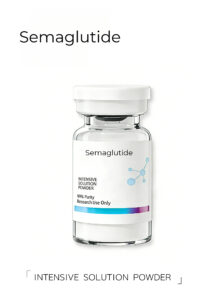
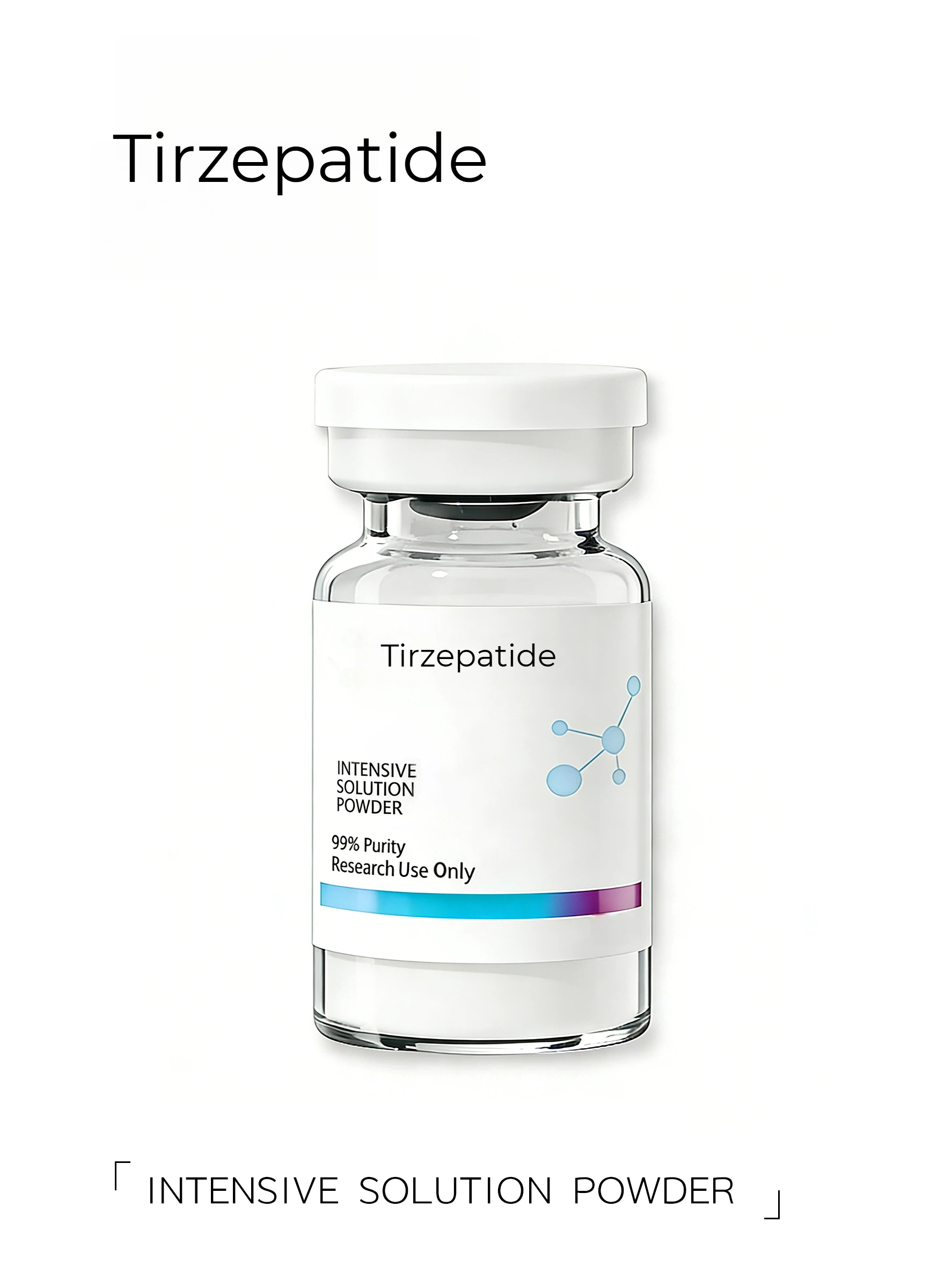
Tirzepatide fat loss popular peptide 60mgx10vials=1Box

£281.20vials

Indications & Mechanism of Action

Tirzepatide exerts its effects by co-activating the Glucose-Dependent Insulinotropic Polypeptide (GIP) receptor and the Glucagon-Like Peptide-1 (GLP-1) receptor, providing multi-benefit effects on metabolism.

Glycemic Control

• Mechanism: It stimulates glucose-dependent insulin secretion and inhibits glucagon release, thereby lowering blood glucose levels. It also improves insulin sensitivity.

Indication: For adults with type 2 diabetes (T2DM) who fail to achieve adequate control on metformin and/or sulfonylureas.

Weight Management

• Mechanism: Delays gastric emptying, increases satiety, reduces caloric intake, and modulates fat metabolism.

• Indication: For long-term weight management in adults with a BMI ≥ 28 kg/m² (obese), or BMI ≥ 24 kg/m² (overweight) with at least one weight-related comorbidity (e.g., hypertension, OSA).

Obstructive Sleep Apnea (OSA)

• Indication: For the treatment of moderate to severe OSA in adults with obesity.
Indications & Mechanism of Action

Tirzepatide exerts its effects by co-activating the Glucose-Dependent Insulinotropic Polypeptide (GIP) receptor and the Glucagon-Like Peptide-1 (GLP-1) receptor, providing multi-benefit effects on metabolism.

Glycemic Control

• Mechanism: It stimulates glucose-dependent insulin secretion and inhibits glucagon release, thereby lowering blood glucose levels. It also improves insulin sensitivity.

Indication: For adults with type 2 diabetes (T2DM) who fail to achieve adequate control on metformin and/or sulfonylureas.

Weight Management

• Mechanism: Delays gastric emptying, increases satiety, reduces caloric intake, and modulates fat metabolism.

• Indication: For long-term weight management in adults with a BMI ≥ 28 kg/m² (obese), or BMI ≥ 24 kg/m² (overweight) with at least one weight-related comorbidity (e.g., hypertension, OSA).

Obstructive Sleep Apnea (OSA)

• Indication: For the treatment of moderate to severe OSA in adults with obesity.